Loading BodyM community


BodyM GLP-1 Intelligence
Side-effect patterns
Nausea, constipation, reflux, fatigue, hair shedding, and low-intake patterns that users search for most often.
Topic map
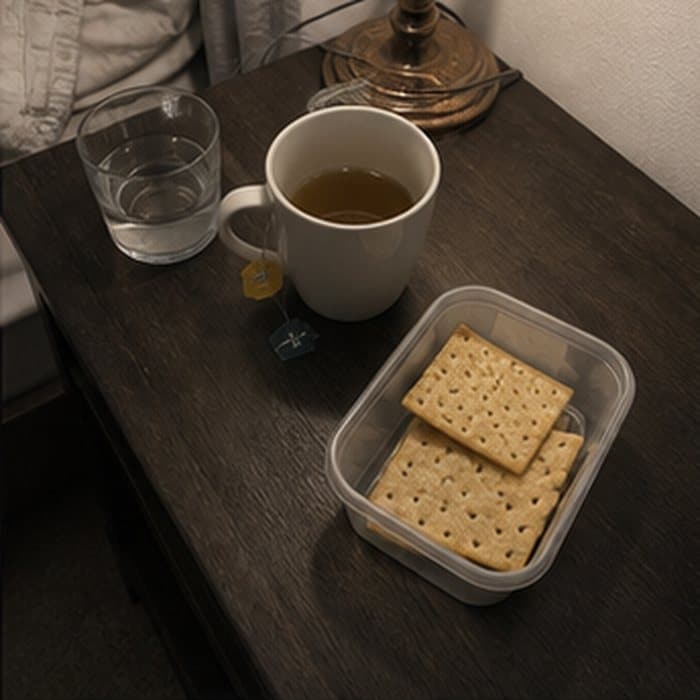
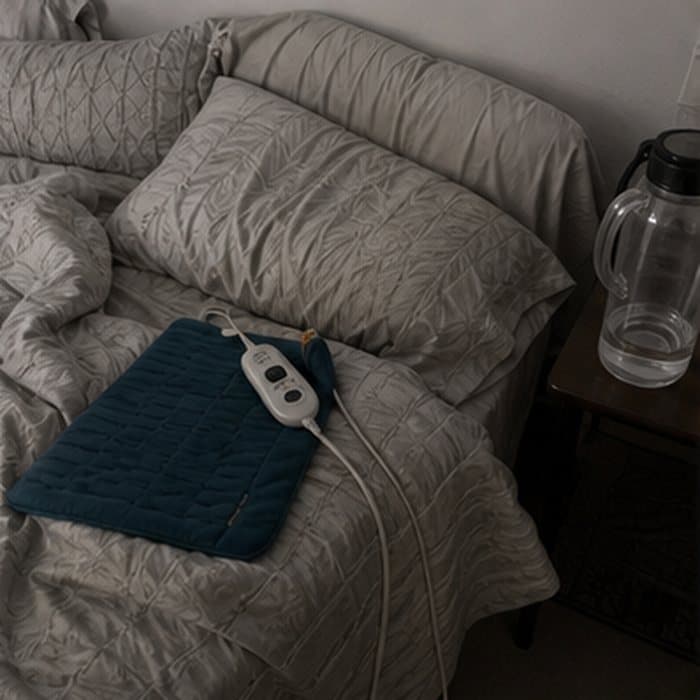
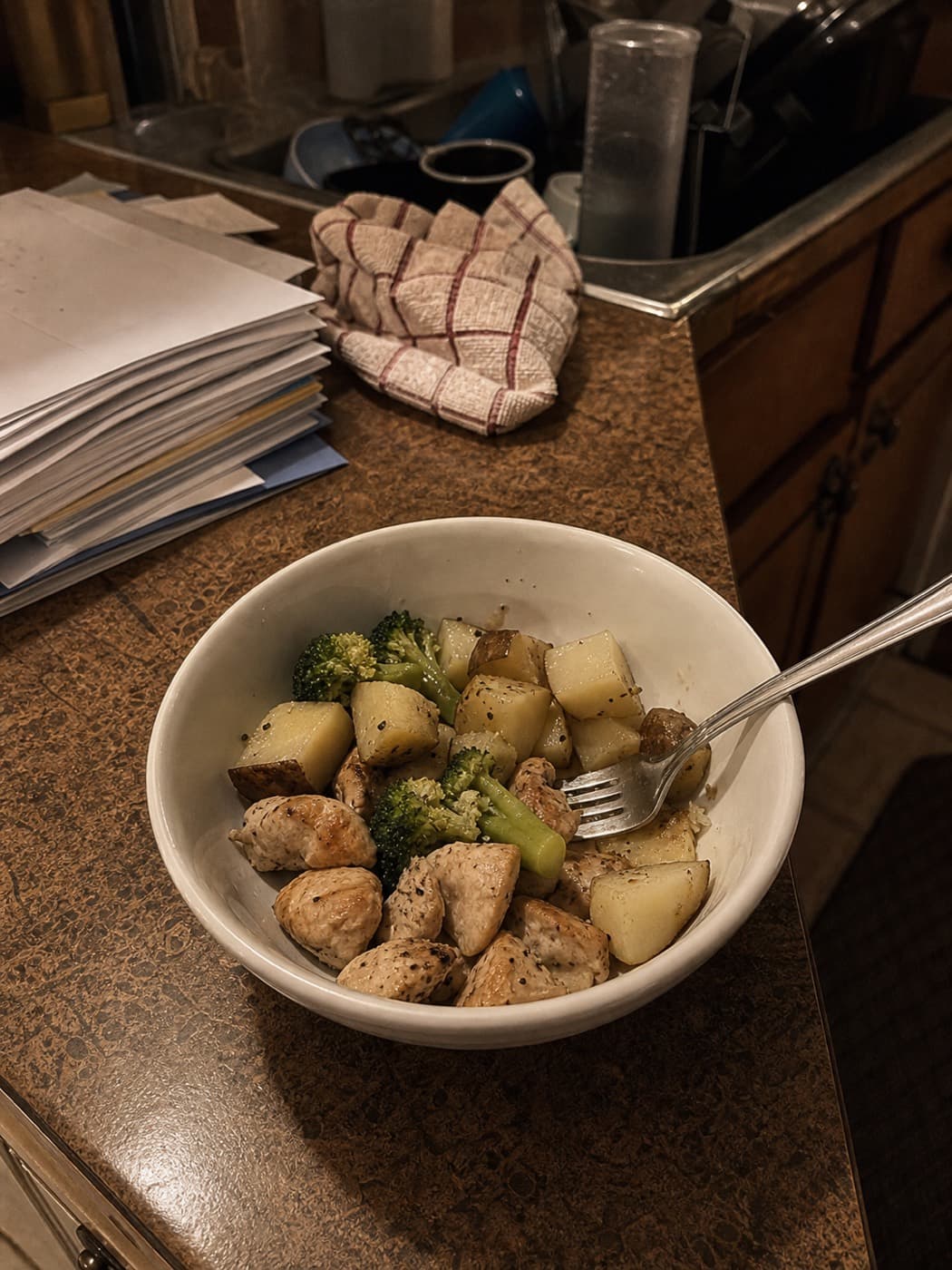




GLP-1 side effect tracker
GLP-1 side effect tracker: connect nausea, constipation, reflux, and fatigue to dose weeks
A GLP-1 side-effect tracker should log symptom type, severity, timing after dose, food context, fluids, bowel rhythm, and whether the symptom is improving or escalating.
GLP-1 nausea tracker
GLP-1 nausea tracker: dose timing, meals, hydration, and first 72 hours
A nausea tracker should log when nausea starts after the shot, what was eaten, fluid intake, dose week, severity, and whether vomiting or dehydration risk is present.
GLP-1 constipation tracker
GLP-1 constipation tracker: bowel rhythm, water, fiber, dose week, and red flags
A constipation tracker should log bowel rhythm, stool difficulty, fluids, fiber, food intake, activity, dose week, and severe pain or persistent symptoms.
GLP-1 bowel movement tracker
GLP-1 bowel movement tracker: connecting constipation, fluids, meals, and dose week
A GLP-1 bowel movement tracker should connect bowel rhythm to fluids, meal size, protein, fiber notes, dose week, and constipation severity.
GLP-1 reflux tracker
GLP-1 reflux tracker: burps, bloating, late meals, and upper-GI heaviness
A reflux tracker should log meal timing, meal size, fat load, late eating, burps, bloating, dose week, and whether symptoms are worsening.
GLP-1 food tolerance tracker
GLP-1 food tolerance tracker: finding meal patterns behind nausea and reflux
A GLP-1 food tolerance tracker should connect meal size, timing, fat or protein heaviness, nausea, reflux, bowel rhythm, and shot-week timing.
GLP-1 side effect timeline
GLP-1 side-effect timeline: mapping symptoms to shot day and dose week
A GLP-1 side-effect timeline should map each symptom to shot day, dose week, meals, fluids, sleep, and whether the pattern is improving or worsening.
GLP-1 vomiting tracker
GLP-1 vomiting tracker: logging timing, food, fluids, and escalation notes
A GLP-1 vomiting tracker should record timing, dose week, meal context, fluids, severity, frequency, and whether the symptom is severe, persistent, or worsening.
GLP-1 diarrhea tracker
GLP-1 diarrhea tracker: connecting symptoms to dose, meals, and hydration
A GLP-1 diarrhea tracker should connect symptom timing to dose week, meals, fluids, severity, and whether the pattern is improving, persistent, or worsening.
GLP-1 sulfur burps tracker
GLP-1 sulfur burps tracker: meal timing, reflux, nausea, and dose week
A sulfur burps tracker should log dose timing, meal size, food tolerance, reflux, nausea, bowel rhythm, and whether the pattern repeats after specific meals.
GLP-1 fatigue tracker
GLP-1 fatigue tracker: low intake, hydration, protein, sleep, and dose week
A fatigue tracker should log energy level, food intake, fluids, protein, sleep, dose timing, nausea, and dizziness signals.
GLP-1 hair loss tracker
GLP-1 hair loss tracker: shedding, protein, weight speed, and photo notes
A hair-loss tracker should log shedding changes, photos, protein intake, weight-loss speed, stress, and timing instead of assuming one cause.
GLP-1 side effect management
GLP-1 side effect management: what to track before you guess
Side-effect management starts with a timeline: when symptoms appear after the shot, how severe they are, what meal or hydration pattern came before them, and whether they improve, repeat, or escalate.
GLP-1 hydration tracker
GLP-1 hydration tracker: linking fluids, constipation, fatigue, and shot week
A GLP-1 hydration tracker should connect fluid intake to constipation, nausea, fatigue, appetite, and the first few days after each shot.
GLP-1 appetite tracker
GLP-1 appetite tracker: how to log fullness without turning meals into pressure
A GLP-1 appetite tracker should capture hunger, fullness, nausea, meal size, and food tolerance so users can understand patterns without forcing a diet mindset.
GLP-1 dose increase tracker
GLP-1 dose increase tracker: what to watch in the first 72 hours
A GLP-1 dose increase tracker should focus on the first 24 to 72 hours: symptoms, appetite, fluids, meal tolerance, bowel rhythm, and questions for the prescriber.
GLP-1 sleep tracker
GLP-1 sleep tracker: reading energy, appetite, weight, and symptom weeks
A GLP-1 sleep tracker should connect sleep quality to fatigue, appetite, weight trend, symptoms, and shot-week timing instead of treating sleep as an isolated metric.
GLP-1 energy tracker
GLP-1 energy tracker: connecting fatigue, protein, hydration, sleep, and shots
A GLP-1 energy tracker should connect fatigue to sleep, protein, hydration, appetite, shot timing, and dose increases before assuming one cause.
GLP-1 clinician report
GLP-1 clinician report: what to bring to a prescriber visit
A GLP-1 clinician report should summarize medication, dose timeline, weight trend, side effects, food tolerance, photos if relevant, and the user's top questions.
Ozempic nausea tracker
Ozempic nausea tracker: timing symptoms around dose weeks
A Ozempic nausea tracker should record dose week, time since shot, severity, meal size, fluids, and the first 72 hours after a shot, and whether the pattern is improving, persistent, or worsening.
Ozempic constipation tracker
Ozempic constipation tracker: timing symptoms around dose weeks
A Ozempic constipation tracker should record dose week, time since shot, severity, bowel rhythm, fluids, movement, and food tolerance, and whether the pattern is improving, persistent, or worsening.
Ozempic reflux tracker
Ozempic reflux tracker: timing symptoms around dose weeks
A Ozempic reflux tracker should record dose week, time since shot, severity, meal timing, fullness, burps, and bedtime symptoms, and whether the pattern is improving, persistent, or worsening.
Ozempic vomiting tracker
Ozempic vomiting tracker: timing symptoms around dose weeks
A Ozempic vomiting tracker should record dose week, time since shot, severity, frequency, fluids, severity, and escalation notes, and whether the pattern is improving, persistent, or worsening.
Ozempic diarrhea tracker
Ozempic diarrhea tracker: timing symptoms around dose weeks
A Ozempic diarrhea tracker should record dose week, time since shot, severity, meal tolerance, fluids, timing, and symptom severity, and whether the pattern is improving, persistent, or worsening.
Ozempic sulfur burps tracker
Ozempic sulfur burps tracker: timing symptoms around dose weeks
A Ozempic sulfur burps tracker should record dose week, time since shot, severity, reflux, meal size, nausea, and bowel rhythm, and whether the pattern is improving, persistent, or worsening.
Ozempic fatigue tracker
Ozempic fatigue tracker: timing symptoms around dose weeks
A Ozempic fatigue tracker should record dose week, time since shot, severity, protein, hydration, sleep, and dose-week timing, and whether the pattern is improving, persistent, or worsening.
Ozempic hair shedding tracker
Ozempic hair shedding tracker: timing symptoms around dose weeks
A Ozempic hair shedding tracker should record dose week, time since shot, severity, weight-loss speed, protein, stress, and timeline notes, and whether the pattern is improving, persistent, or worsening.
Ozempic low appetite tracker
Ozempic low appetite tracker: timing symptoms around dose weeks
A Ozempic low appetite tracker should record dose week, time since shot, severity, meal size, protein floor, hydration, and food noise, and whether the pattern is improving, persistent, or worsening.
Ozempic headache tracker
Ozempic headache tracker: timing symptoms around dose weeks
A Ozempic headache tracker should record dose week, time since shot, severity, fluids, sleep, skipped meals, and symptom severity, and whether the pattern is improving, persistent, or worsening.
Ozempic dehydration tracker
Ozempic dehydration tracker: timing symptoms around dose weeks
A Ozempic dehydration tracker should record dose week, time since shot, severity, fluids, electrolytes, appetite, and bowel rhythm, and whether the pattern is improving, persistent, or worsening.
Ozempic bloating tracker
Ozempic bloating tracker: timing symptoms around dose weeks
A Ozempic bloating tracker should record dose week, time since shot, severity, meal size, reflux, constipation, and food tolerance, and whether the pattern is improving, persistent, or worsening.
Ozempic dizziness tracker
Ozempic dizziness tracker: timing symptoms around dose weeks
A Ozempic dizziness tracker should record dose week, time since shot, severity, fluids, low intake, timing, and escalation notes, and whether the pattern is improving, persistent, or worsening.
Wegovy nausea tracker
Wegovy nausea tracker: timing symptoms around dose weeks
A Wegovy nausea tracker should record dose week, time since shot, severity, meal size, fluids, and the first 72 hours after a shot, and whether the pattern is improving, persistent, or worsening.
Wegovy constipation tracker
Wegovy constipation tracker: timing symptoms around dose weeks
A Wegovy constipation tracker should record dose week, time since shot, severity, bowel rhythm, fluids, movement, and food tolerance, and whether the pattern is improving, persistent, or worsening.
Wegovy reflux tracker
Wegovy reflux tracker: timing symptoms around dose weeks
A Wegovy reflux tracker should record dose week, time since shot, severity, meal timing, fullness, burps, and bedtime symptoms, and whether the pattern is improving, persistent, or worsening.
Wegovy vomiting tracker
Wegovy vomiting tracker: timing symptoms around dose weeks
A Wegovy vomiting tracker should record dose week, time since shot, severity, frequency, fluids, severity, and escalation notes, and whether the pattern is improving, persistent, or worsening.
Wegovy diarrhea tracker
Wegovy diarrhea tracker: timing symptoms around dose weeks
A Wegovy diarrhea tracker should record dose week, time since shot, severity, meal tolerance, fluids, timing, and symptom severity, and whether the pattern is improving, persistent, or worsening.
Wegovy sulfur burps tracker
Wegovy sulfur burps tracker: timing symptoms around dose weeks
A Wegovy sulfur burps tracker should record dose week, time since shot, severity, reflux, meal size, nausea, and bowel rhythm, and whether the pattern is improving, persistent, or worsening.
Wegovy fatigue tracker
Wegovy fatigue tracker: timing symptoms around dose weeks
A Wegovy fatigue tracker should record dose week, time since shot, severity, protein, hydration, sleep, and dose-week timing, and whether the pattern is improving, persistent, or worsening.
Wegovy hair shedding tracker
Wegovy hair shedding tracker: timing symptoms around dose weeks
A Wegovy hair shedding tracker should record dose week, time since shot, severity, weight-loss speed, protein, stress, and timeline notes, and whether the pattern is improving, persistent, or worsening.
Wegovy low appetite tracker
Wegovy low appetite tracker: timing symptoms around dose weeks
A Wegovy low appetite tracker should record dose week, time since shot, severity, meal size, protein floor, hydration, and food noise, and whether the pattern is improving, persistent, or worsening.
Wegovy headache tracker
Wegovy headache tracker: timing symptoms around dose weeks
A Wegovy headache tracker should record dose week, time since shot, severity, fluids, sleep, skipped meals, and symptom severity, and whether the pattern is improving, persistent, or worsening.
Wegovy dehydration tracker
Wegovy dehydration tracker: timing symptoms around dose weeks
A Wegovy dehydration tracker should record dose week, time since shot, severity, fluids, electrolytes, appetite, and bowel rhythm, and whether the pattern is improving, persistent, or worsening.
Wegovy bloating tracker
Wegovy bloating tracker: timing symptoms around dose weeks
A Wegovy bloating tracker should record dose week, time since shot, severity, meal size, reflux, constipation, and food tolerance, and whether the pattern is improving, persistent, or worsening.
Wegovy dizziness tracker
Wegovy dizziness tracker: timing symptoms around dose weeks
A Wegovy dizziness tracker should record dose week, time since shot, severity, fluids, low intake, timing, and escalation notes, and whether the pattern is improving, persistent, or worsening.
Zepbound nausea tracker
Zepbound nausea tracker: timing symptoms around dose weeks
A Zepbound nausea tracker should record dose week, time since shot, severity, meal size, fluids, and the first 72 hours after a shot, and whether the pattern is improving, persistent, or worsening.
Zepbound constipation tracker
Zepbound constipation tracker: timing symptoms around dose weeks
A Zepbound constipation tracker should record dose week, time since shot, severity, bowel rhythm, fluids, movement, and food tolerance, and whether the pattern is improving, persistent, or worsening.
Zepbound reflux tracker
Zepbound reflux tracker: timing symptoms around dose weeks
A Zepbound reflux tracker should record dose week, time since shot, severity, meal timing, fullness, burps, and bedtime symptoms, and whether the pattern is improving, persistent, or worsening.
Zepbound vomiting tracker
Zepbound vomiting tracker: timing symptoms around dose weeks
A Zepbound vomiting tracker should record dose week, time since shot, severity, frequency, fluids, severity, and escalation notes, and whether the pattern is improving, persistent, or worsening.
Zepbound diarrhea tracker
Zepbound diarrhea tracker: timing symptoms around dose weeks
A Zepbound diarrhea tracker should record dose week, time since shot, severity, meal tolerance, fluids, timing, and symptom severity, and whether the pattern is improving, persistent, or worsening.
Zepbound sulfur burps tracker
Zepbound sulfur burps tracker: timing symptoms around dose weeks
A Zepbound sulfur burps tracker should record dose week, time since shot, severity, reflux, meal size, nausea, and bowel rhythm, and whether the pattern is improving, persistent, or worsening.
Zepbound fatigue tracker
Zepbound fatigue tracker: timing symptoms around dose weeks
A Zepbound fatigue tracker should record dose week, time since shot, severity, protein, hydration, sleep, and dose-week timing, and whether the pattern is improving, persistent, or worsening.
Zepbound hair shedding tracker
Zepbound hair shedding tracker: timing symptoms around dose weeks
A Zepbound hair shedding tracker should record dose week, time since shot, severity, weight-loss speed, protein, stress, and timeline notes, and whether the pattern is improving, persistent, or worsening.
Zepbound low appetite tracker
Zepbound low appetite tracker: timing symptoms around dose weeks
A Zepbound low appetite tracker should record dose week, time since shot, severity, meal size, protein floor, hydration, and food noise, and whether the pattern is improving, persistent, or worsening.
Zepbound headache tracker
Zepbound headache tracker: timing symptoms around dose weeks
A Zepbound headache tracker should record dose week, time since shot, severity, fluids, sleep, skipped meals, and symptom severity, and whether the pattern is improving, persistent, or worsening.
Zepbound dehydration tracker
Zepbound dehydration tracker: timing symptoms around dose weeks
A Zepbound dehydration tracker should record dose week, time since shot, severity, fluids, electrolytes, appetite, and bowel rhythm, and whether the pattern is improving, persistent, or worsening.
Zepbound bloating tracker
Zepbound bloating tracker: timing symptoms around dose weeks
A Zepbound bloating tracker should record dose week, time since shot, severity, meal size, reflux, constipation, and food tolerance, and whether the pattern is improving, persistent, or worsening.
Zepbound dizziness tracker
Zepbound dizziness tracker: timing symptoms around dose weeks
A Zepbound dizziness tracker should record dose week, time since shot, severity, fluids, low intake, timing, and escalation notes, and whether the pattern is improving, persistent, or worsening.
Mounjaro nausea tracker
Mounjaro nausea tracker: timing symptoms around dose weeks
A Mounjaro nausea tracker should record dose week, time since shot, severity, meal size, fluids, and the first 72 hours after a shot, and whether the pattern is improving, persistent, or worsening.
Mounjaro constipation tracker
Mounjaro constipation tracker: timing symptoms around dose weeks
A Mounjaro constipation tracker should record dose week, time since shot, severity, bowel rhythm, fluids, movement, and food tolerance, and whether the pattern is improving, persistent, or worsening.
Mounjaro reflux tracker
Mounjaro reflux tracker: timing symptoms around dose weeks
A Mounjaro reflux tracker should record dose week, time since shot, severity, meal timing, fullness, burps, and bedtime symptoms, and whether the pattern is improving, persistent, or worsening.
Mounjaro vomiting tracker
Mounjaro vomiting tracker: timing symptoms around dose weeks
A Mounjaro vomiting tracker should record dose week, time since shot, severity, frequency, fluids, severity, and escalation notes, and whether the pattern is improving, persistent, or worsening.
Mounjaro diarrhea tracker
Mounjaro diarrhea tracker: timing symptoms around dose weeks
A Mounjaro diarrhea tracker should record dose week, time since shot, severity, meal tolerance, fluids, timing, and symptom severity, and whether the pattern is improving, persistent, or worsening.
Mounjaro sulfur burps tracker
Mounjaro sulfur burps tracker: timing symptoms around dose weeks
A Mounjaro sulfur burps tracker should record dose week, time since shot, severity, reflux, meal size, nausea, and bowel rhythm, and whether the pattern is improving, persistent, or worsening.
Mounjaro fatigue tracker
Mounjaro fatigue tracker: timing symptoms around dose weeks
A Mounjaro fatigue tracker should record dose week, time since shot, severity, protein, hydration, sleep, and dose-week timing, and whether the pattern is improving, persistent, or worsening.
Mounjaro hair shedding tracker
Mounjaro hair shedding tracker: timing symptoms around dose weeks
A Mounjaro hair shedding tracker should record dose week, time since shot, severity, weight-loss speed, protein, stress, and timeline notes, and whether the pattern is improving, persistent, or worsening.
Mounjaro low appetite tracker
Mounjaro low appetite tracker: timing symptoms around dose weeks
A Mounjaro low appetite tracker should record dose week, time since shot, severity, meal size, protein floor, hydration, and food noise, and whether the pattern is improving, persistent, or worsening.
Mounjaro headache tracker
Mounjaro headache tracker: timing symptoms around dose weeks
A Mounjaro headache tracker should record dose week, time since shot, severity, fluids, sleep, skipped meals, and symptom severity, and whether the pattern is improving, persistent, or worsening.
Mounjaro dehydration tracker
Mounjaro dehydration tracker: timing symptoms around dose weeks
A Mounjaro dehydration tracker should record dose week, time since shot, severity, fluids, electrolytes, appetite, and bowel rhythm, and whether the pattern is improving, persistent, or worsening.
Mounjaro bloating tracker
Mounjaro bloating tracker: timing symptoms around dose weeks
A Mounjaro bloating tracker should record dose week, time since shot, severity, meal size, reflux, constipation, and food tolerance, and whether the pattern is improving, persistent, or worsening.
Mounjaro dizziness tracker
Mounjaro dizziness tracker: timing symptoms around dose weeks
A Mounjaro dizziness tracker should record dose week, time since shot, severity, fluids, low intake, timing, and escalation notes, and whether the pattern is improving, persistent, or worsening.
semaglutide nausea tracker
semaglutide nausea tracker: timing symptoms around dose weeks
A semaglutide nausea tracker should record dose week, time since shot, severity, meal size, fluids, and the first 72 hours after a shot, and whether the pattern is improving, persistent, or worsening.
semaglutide constipation tracker
semaglutide constipation tracker: timing symptoms around dose weeks
A semaglutide constipation tracker should record dose week, time since shot, severity, bowel rhythm, fluids, movement, and food tolerance, and whether the pattern is improving, persistent, or worsening.
semaglutide reflux tracker
semaglutide reflux tracker: timing symptoms around dose weeks
A semaglutide reflux tracker should record dose week, time since shot, severity, meal timing, fullness, burps, and bedtime symptoms, and whether the pattern is improving, persistent, or worsening.
semaglutide vomiting tracker
semaglutide vomiting tracker: timing symptoms around dose weeks
A semaglutide vomiting tracker should record dose week, time since shot, severity, frequency, fluids, severity, and escalation notes, and whether the pattern is improving, persistent, or worsening.
semaglutide diarrhea tracker
semaglutide diarrhea tracker: timing symptoms around dose weeks
A semaglutide diarrhea tracker should record dose week, time since shot, severity, meal tolerance, fluids, timing, and symptom severity, and whether the pattern is improving, persistent, or worsening.
semaglutide sulfur burps tracker
semaglutide sulfur burps tracker: timing symptoms around dose weeks
A semaglutide sulfur burps tracker should record dose week, time since shot, severity, reflux, meal size, nausea, and bowel rhythm, and whether the pattern is improving, persistent, or worsening.
semaglutide fatigue tracker
semaglutide fatigue tracker: timing symptoms around dose weeks
A semaglutide fatigue tracker should record dose week, time since shot, severity, protein, hydration, sleep, and dose-week timing, and whether the pattern is improving, persistent, or worsening.
semaglutide hair shedding tracker
semaglutide hair shedding tracker: timing symptoms around dose weeks
A semaglutide hair shedding tracker should record dose week, time since shot, severity, weight-loss speed, protein, stress, and timeline notes, and whether the pattern is improving, persistent, or worsening.
semaglutide low appetite tracker
semaglutide low appetite tracker: timing symptoms around dose weeks
A semaglutide low appetite tracker should record dose week, time since shot, severity, meal size, protein floor, hydration, and food noise, and whether the pattern is improving, persistent, or worsening.
semaglutide headache tracker
semaglutide headache tracker: timing symptoms around dose weeks
A semaglutide headache tracker should record dose week, time since shot, severity, fluids, sleep, skipped meals, and symptom severity, and whether the pattern is improving, persistent, or worsening.
semaglutide dehydration tracker
semaglutide dehydration tracker: timing symptoms around dose weeks
A semaglutide dehydration tracker should record dose week, time since shot, severity, fluids, electrolytes, appetite, and bowel rhythm, and whether the pattern is improving, persistent, or worsening.
semaglutide bloating tracker
semaglutide bloating tracker: timing symptoms around dose weeks
A semaglutide bloating tracker should record dose week, time since shot, severity, meal size, reflux, constipation, and food tolerance, and whether the pattern is improving, persistent, or worsening.
semaglutide dizziness tracker
semaglutide dizziness tracker: timing symptoms around dose weeks
A semaglutide dizziness tracker should record dose week, time since shot, severity, fluids, low intake, timing, and escalation notes, and whether the pattern is improving, persistent, or worsening.
tirzepatide nausea tracker
tirzepatide nausea tracker: timing symptoms around dose weeks
A tirzepatide nausea tracker should record dose week, time since shot, severity, meal size, fluids, and the first 72 hours after a shot, and whether the pattern is improving, persistent, or worsening.
tirzepatide constipation tracker
tirzepatide constipation tracker: timing symptoms around dose weeks
A tirzepatide constipation tracker should record dose week, time since shot, severity, bowel rhythm, fluids, movement, and food tolerance, and whether the pattern is improving, persistent, or worsening.
tirzepatide reflux tracker
tirzepatide reflux tracker: timing symptoms around dose weeks
A tirzepatide reflux tracker should record dose week, time since shot, severity, meal timing, fullness, burps, and bedtime symptoms, and whether the pattern is improving, persistent, or worsening.
tirzepatide vomiting tracker
tirzepatide vomiting tracker: timing symptoms around dose weeks
A tirzepatide vomiting tracker should record dose week, time since shot, severity, frequency, fluids, severity, and escalation notes, and whether the pattern is improving, persistent, or worsening.
tirzepatide diarrhea tracker
tirzepatide diarrhea tracker: timing symptoms around dose weeks
A tirzepatide diarrhea tracker should record dose week, time since shot, severity, meal tolerance, fluids, timing, and symptom severity, and whether the pattern is improving, persistent, or worsening.
tirzepatide sulfur burps tracker
tirzepatide sulfur burps tracker: timing symptoms around dose weeks
A tirzepatide sulfur burps tracker should record dose week, time since shot, severity, reflux, meal size, nausea, and bowel rhythm, and whether the pattern is improving, persistent, or worsening.
tirzepatide fatigue tracker
tirzepatide fatigue tracker: timing symptoms around dose weeks
A tirzepatide fatigue tracker should record dose week, time since shot, severity, protein, hydration, sleep, and dose-week timing, and whether the pattern is improving, persistent, or worsening.
tirzepatide hair shedding tracker
tirzepatide hair shedding tracker: timing symptoms around dose weeks
A tirzepatide hair shedding tracker should record dose week, time since shot, severity, weight-loss speed, protein, stress, and timeline notes, and whether the pattern is improving, persistent, or worsening.
tirzepatide low appetite tracker
tirzepatide low appetite tracker: timing symptoms around dose weeks
A tirzepatide low appetite tracker should record dose week, time since shot, severity, meal size, protein floor, hydration, and food noise, and whether the pattern is improving, persistent, or worsening.
tirzepatide headache tracker
tirzepatide headache tracker: timing symptoms around dose weeks
A tirzepatide headache tracker should record dose week, time since shot, severity, fluids, sleep, skipped meals, and symptom severity, and whether the pattern is improving, persistent, or worsening.
tirzepatide dehydration tracker
tirzepatide dehydration tracker: timing symptoms around dose weeks
A tirzepatide dehydration tracker should record dose week, time since shot, severity, fluids, electrolytes, appetite, and bowel rhythm, and whether the pattern is improving, persistent, or worsening.
tirzepatide bloating tracker
tirzepatide bloating tracker: timing symptoms around dose weeks
A tirzepatide bloating tracker should record dose week, time since shot, severity, meal size, reflux, constipation, and food tolerance, and whether the pattern is improving, persistent, or worsening.
tirzepatide dizziness tracker
tirzepatide dizziness tracker: timing symptoms around dose weeks
A tirzepatide dizziness tracker should record dose week, time since shot, severity, fluids, low intake, timing, and escalation notes, and whether the pattern is improving, persistent, or worsening.
before the first GLP-1 shot GLP-1 side-effect window tracker
before the first GLP-1 shot: GLP-1 side-effect window tracking guide
During before the first GLP-1 shot, a GLP-1 side-effect window tracker should capture baseline photos, starting weight, questions, and expectations, symptoms, dose timing, and first 72 hours, symptoms, and the next question to review.
before the first GLP-1 shot GLP-1 appetite and protein tracker
before the first GLP-1 shot: GLP-1 appetite and protein tracking guide
During before the first GLP-1 shot, a GLP-1 appetite and protein tracker should capture baseline photos, starting weight, questions, and expectations, low appetite, protein floor, and fatigue, symptoms, and the next question to review.
GLP-1 week 1 GLP-1 side-effect window tracker
GLP-1 week 1: GLP-1 side-effect window tracking guide
During GLP-1 week 1, a GLP-1 side-effect window tracker should capture first shot, appetite changes, hydration, and early symptoms, symptoms, dose timing, and first 72 hours, symptoms, and the next question to review.
GLP-1 week 1 GLP-1 appetite and protein tracker
GLP-1 week 1: GLP-1 appetite and protein tracking guide
During GLP-1 week 1, a GLP-1 appetite and protein tracker should capture first shot, appetite changes, hydration, and early symptoms, low appetite, protein floor, and fatigue, symptoms, and the next question to review.
first dose increase GLP-1 side-effect window tracker
first dose increase: GLP-1 side-effect window tracking guide
During first dose increase, a GLP-1 side-effect window tracker should capture 24-72 hour symptom window, appetite, fluids, and meal tolerance, symptoms, dose timing, and first 72 hours, symptoms, and the next question to review.
first dose increase GLP-1 appetite and protein tracker
first dose increase: GLP-1 appetite and protein tracking guide
During first dose increase, a GLP-1 appetite and protein tracker should capture 24-72 hour symptom window, appetite, fluids, and meal tolerance, low appetite, protein floor, and fatigue, symptoms, and the next question to review.
plateau month GLP-1 side-effect window tracker
plateau month: GLP-1 side-effect window tracking guide
During plateau month, a GLP-1 side-effect window tracker should capture flat scale weeks, constipation, photos, waist, and routine review, symptoms, dose timing, and first 72 hours, symptoms, and the next question to review.
plateau month GLP-1 appetite and protein tracker
plateau month: GLP-1 appetite and protein tracking guide
During plateau month, a GLP-1 appetite and protein tracker should capture flat scale weeks, constipation, photos, waist, and routine review, low appetite, protein floor, and fatigue, symptoms, and the next question to review.
medication switch GLP-1 side-effect window tracker
medication switch: GLP-1 side-effect window tracking guide
During medication switch, a GLP-1 side-effect window tracker should capture brand or molecule change, missed dose history, and symptom reset, symptoms, dose timing, and first 72 hours, symptoms, and the next question to review.
medication switch GLP-1 appetite and protein tracker
medication switch: GLP-1 appetite and protein tracking guide
During medication switch, a GLP-1 appetite and protein tracker should capture brand or molecule change, missed dose history, and symptom reset, low appetite, protein floor, and fatigue, symptoms, and the next question to review.
maintenance GLP-1 side-effect window tracker
maintenance: GLP-1 side-effect window tracking guide
During maintenance, a GLP-1 side-effect window tracker should capture weight range, routine stability, photos, and early drift signals, symptoms, dose timing, and first 72 hours, symptoms, and the next question to review.
maintenance GLP-1 appetite and protein tracker
maintenance: GLP-1 appetite and protein tracking guide
During maintenance, a GLP-1 appetite and protein tracker should capture weight range, routine stability, photos, and early drift signals, low appetite, protein floor, and fatigue, symptoms, and the next question to review.
Cross coverage
Related topic maps
Photo progress and before-after tracking
Pages for users who want to see body and face changes when the scale is noisy.
Shots, dose weeks, and medication timelines
Guides for injection days, dose escalation, medication-specific trackers, and first-72-hour watch windows.
Nutrition, hydration, appetite, and food tolerance
Pages for the day-to-day GLP-1 support signals that make a tracker feel useful: protein, fluids, appetite, meals, and tolerance.
Women, cycle context, PCOS, and midlife tracking
Pages for women using GLP-1s who need body-photo, weight, cycle, PCOS, menopause, privacy, and symptom context in one tracking system.
Measurements, smart scales, and weight graphs
Pages for users comparing weight trend, waist, body measurements, smart-scale data, clothing fit, photos, and non-scale wins.
Premium tracker and AI weekly review
Commercial-intent pages for choosing a serious GLP-1 progress system instead of a basic reminder app.