Loading BodyM community


BodyM GLP-1 Intelligence
Measurements, smart scales, and weight graphs
Pages for users comparing weight trend, waist, body measurements, smart-scale data, clothing fit, photos, and non-scale wins.
Topic map
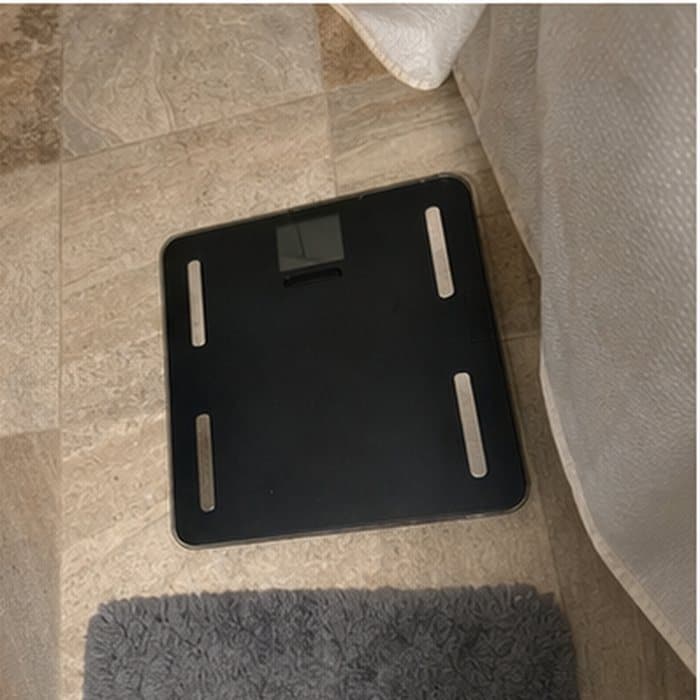

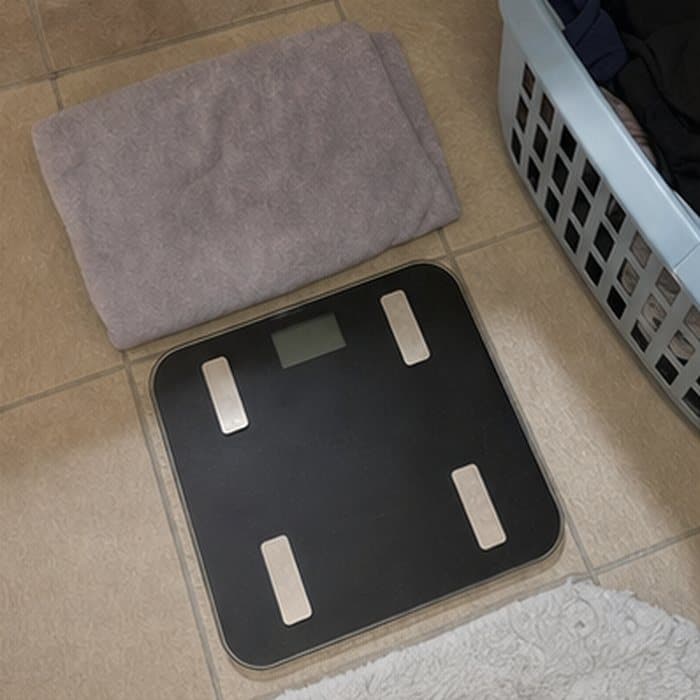

GLP-1 weight graph app
GLP-1 weight graph app: designing a trend line that does not punish users
A GLP-1 weight graph app should show weekly averages, dose weeks, plateaus, and context notes so users can read trend without being punished by daily noise.
GLP-1 smart scale tracker
GLP-1 smart scale tracker: what to trust and what to ignore
A GLP-1 smart scale tracker is useful for weight trend, but body-composition estimates should be treated as context and compared with photos, strength, and routine signals.
GLP-1 waist measurement tracker
GLP-1 waist measurement tracker: when inches move before pounds
A GLP-1 waist measurement tracker helps users see progress when inches, photos, or clothing fit change before the scale shows a large drop.
GLP-1 body measurement tracker
GLP-1 body measurement tracker: waist, hips, photos, and clothing fit
A GLP-1 body measurement tracker should keep measurements simple and pair them with photos, weight trend, clothing fit, and strength notes.
GLP-1 clothing fit tracker
GLP-1 clothing fit tracker: turning non-scale wins into real progress
A clothing fit tracker lets GLP-1 users log non-scale wins like looser jeans, easier buttons, and better fit alongside photos and weight trend.
GLP-1 weight loss plateau
GLP-1 weight-loss plateau: what to track before assuming it stopped working
Before assuming a GLP-1 plateau means failure, check weekly average, constipation, dose timing, protein, sleep, activity, and progress photos.
GLP-1 plateau anxiety
GLP-1 plateau anxiety: is it a real stall or a noisy week?
A GLP-1 plateau should be reviewed with weekly average weight, constipation, photos, waist or clothing fit, protein, hydration, steps, sleep, dose timing, and food-noise changes before assuming the medicine stopped working.
GLP-1 period weight fluctuation tracker
GLP-1 period weight fluctuation tracker: avoiding false plateaus
A period weight fluctuation tracker should compare weekly averages with cycle context, constipation, fluids, sleep, and photos before calling it a plateau.
Wegovy before and after tracker
Wegovy before-and-after tracker: visible progress without daily scale pressure
A Wegovy before-and-after tracker should combine photos, weekly weight averages, dose escalation context, side effects, and privacy controls.
Ozempic weight graph app
Ozempic weight graph app: what to log during the journey
A Ozempic weight graph app should connect weekly averages, dose markers, and plateau context with dose week, weight trend, symptoms, and the user's next check-in question.
Wegovy weight graph app
Wegovy weight graph app: what to log during the journey
A Wegovy weight graph app should connect weekly averages, dose markers, and plateau context with dose week, weight trend, symptoms, and the user's next check-in question.
Zepbound weight graph app
Zepbound weight graph app: what to log during the journey
A Zepbound weight graph app should connect weekly averages, dose markers, and plateau context with dose week, weight trend, symptoms, and the user's next check-in question.
Mounjaro weight graph app
Mounjaro weight graph app: what to log during the journey
A Mounjaro weight graph app should connect weekly averages, dose markers, and plateau context with dose week, weight trend, symptoms, and the user's next check-in question.
semaglutide weight graph app
semaglutide weight graph app: what to log during the journey
A semaglutide weight graph app should connect weekly averages, dose markers, and plateau context with dose week, weight trend, symptoms, and the user's next check-in question.
tirzepatide weight graph app
tirzepatide weight graph app: what to log during the journey
A tirzepatide weight graph app should connect weekly averages, dose markers, and plateau context with dose week, weight trend, symptoms, and the user's next check-in question.
GLP-1 weight graph tracker for women
GLP-1 weight graph tracker for women: what actually helps
A GLP-1 weight graph tracker for women should adapt to cycle context, privacy, photos, and weight trend interpretation while keeping weekly average, dose week, and non-scale context easy to review each week.
GLP-1 weight graph tracker for perimenopause users
GLP-1 weight graph tracker for perimenopause users: what actually helps
A GLP-1 weight graph tracker for perimenopause users should adapt to midlife sleep, waist, strength, and noisy scale weeks while keeping weekly average, dose week, and non-scale context easy to review each week.
GLP-1 weight graph tracker for PCOS users
GLP-1 weight graph tracker for PCOS users: what actually helps
A GLP-1 weight graph tracker for PCOS users should adapt to cycle context, appetite, food noise, and patient progress review while keeping weekly average, dose week, and non-scale context easy to review each week.
GLP-1 weight graph tracker for busy parents
GLP-1 weight graph tracker for busy parents: what actually helps
A GLP-1 weight graph tracker for busy parents should adapt to fast logging, missed meals, fatigue, and realistic routines while keeping weekly average, dose week, and non-scale context easy to review each week.
GLP-1 weight graph tracker for frequent travelers
GLP-1 weight graph tracker for frequent travelers: what actually helps
A GLP-1 weight graph tracker for frequent travelers should adapt to travel meals, delayed shots, hydration, and schedule disruption while keeping weekly average, dose week, and non-scale context easy to review each week.
GLP-1 weight graph tracker for shift workers
GLP-1 weight graph tracker for shift workers: what actually helps
A GLP-1 weight graph tracker for shift workers should adapt to sleep disruption, odd meal timing, fatigue, and shot schedules while keeping weekly average, dose week, and non-scale context easy to review each week.
GLP-1 weight graph tracker for strength training users
GLP-1 weight graph tracker for strength training users: what actually helps
A GLP-1 weight graph tracker for strength training users should adapt to protein, strength, body change, and muscle-loss concerns while keeping weekly average, dose week, and non-scale context easy to review each week.
plateau month GLP-1 photo baseline tracker
plateau month: GLP-1 photo baseline tracking guide
During plateau month, a GLP-1 photo baseline tracker should capture flat scale weeks, constipation, photos, waist, and routine review, baseline photos, weight, and private comparison, symptoms, and the next question to review.
plateau month GLP-1 side-effect window tracker
plateau month: GLP-1 side-effect window tracking guide
During plateau month, a GLP-1 side-effect window tracker should capture flat scale weeks, constipation, photos, waist, and routine review, symptoms, dose timing, and first 72 hours, symptoms, and the next question to review.
plateau month GLP-1 appetite and protein tracker
plateau month: GLP-1 appetite and protein tracking guide
During plateau month, a GLP-1 appetite and protein tracker should capture flat scale weeks, constipation, photos, waist, and routine review, low appetite, protein floor, and fatigue, symptoms, and the next question to review.
plateau month GLP-1 doctor report tracker
plateau month: GLP-1 doctor report tracking guide
During plateau month, a GLP-1 doctor report tracker should capture flat scale weeks, constipation, photos, waist, and routine review, clinician-ready notes and questions, symptoms, and the next question to review.
Cross coverage
Related topic maps
Photo progress and before-after tracking
Pages for users who want to see body and face changes when the scale is noisy.
Shots, dose weeks, and medication timelines
Guides for injection days, dose escalation, medication-specific trackers, and first-72-hour watch windows.
Side-effect patterns
Nausea, constipation, reflux, fatigue, hair shedding, and low-intake patterns that users search for most often.
Nutrition, hydration, appetite, and food tolerance
Pages for the day-to-day GLP-1 support signals that make a tracker feel useful: protein, fluids, appetite, meals, and tolerance.
Women, cycle context, PCOS, and midlife tracking
Pages for women using GLP-1s who need body-photo, weight, cycle, PCOS, menopause, privacy, and symptom context in one tracking system.
Premium tracker and AI weekly review
Commercial-intent pages for choosing a serious GLP-1 progress system instead of a basic reminder app.