Loading BodyM community


BodyM GLP-1 Briefing
GLP-1 dose increase tracker: what to watch in the first 72 hours
A dose-increase tracking guide for GLP-1 users logging shot timing, symptoms, appetite, hydration, and food tolerance after escalation.
Quick answer
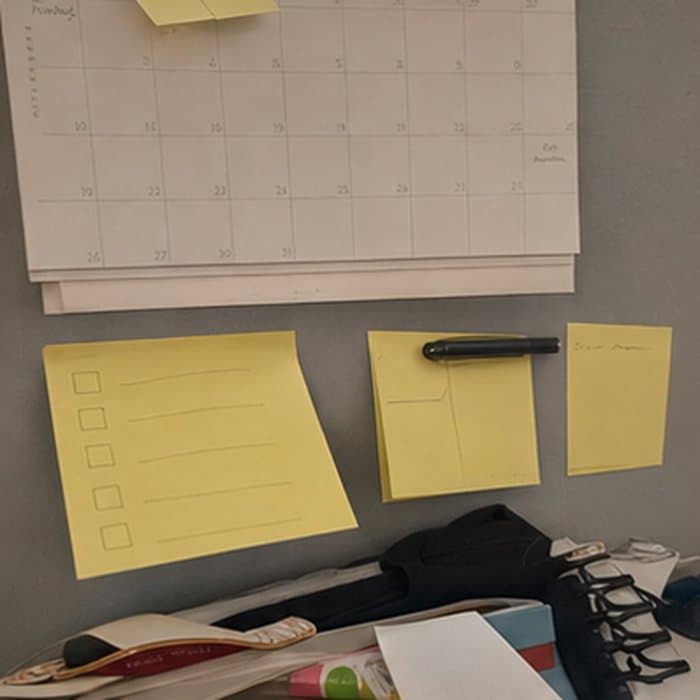
A GLP-1 dose increase tracker should focus on the first 24 to 72 hours: symptoms, appetite, fluids, meal tolerance, bowel rhythm, and questions for the prescriber.
Tracker fit check
See if BodyM fits your GLP-1 routine.
Check what you should track next, then use BodyM for shots, weight, symptoms, photos, protein, water, and weekly AI review.
Shot logPhoto progressWeekly review
Full analysis
The practical guide
What this GLP-1 dose increase tracker page is really answering
A dose-increase tracking guide for GLP-1 users logging shot timing, symptoms, appetite, hydration, and food tolerance after escalation. The real search intent is practical: the user wants to know what to record, how often to record it, and whether the signal is worth acting on. Stage pages should explain what the user should pay attention to at a specific point in the journey, not promise a universal timeline. A thin answer would simply repeat that tracking is helpful. A useful answer explains which signals belong in the tracker, which ones belong in a weekly review, and which ones should be escalated to a clinician or official medication guidance.
For this topic, BodyM treats "GLP-1 dose increase tracker" as a decision page, not a glossary page. The user is probably comparing tools, checking whether a symptom pattern is common, or trying to make sense of a stalled week. The tracker should reduce uncertainty by connecting timing and context. That means the page has to explain the relationship between the user's GLP-1 journey, the visible data they can capture, and the next question they should ask.
The signals that matter most
The baseline record should include Previous dose, new dose, shot time, and injection site, Symptoms at 24, 48, and 72 hours, Appetite, fluids, bowel movement, reflux, and nausea, and Any severe or worsening symptoms that need medical attention. These fields are not equally important every day. Dose timing and symptoms matter most around escalation or medication changes. Weight trend and photos matter more in weekly or monthly review. Food, hydration, protein, and sleep are context fields: they help explain why a week felt harder, why energy dipped, or why the scale did not move even when appetite changed.
Dose escalation, maintenance, restarts, stalls, and habit-building each need different signals. The same tracker should adapt as the journey changes. A single weigh-in can be distorted by water, constipation, salt, menstrual cycle, travel, or a late meal. A single photo can be distorted by lighting and posture. A single symptom note can be distorted by stress or a meal that was larger than usual. The value comes from repeated signals that are aligned on a timeline. That timeline is what turns tracking into evidence the user can actually review.
How to use the tracker without over-tracking
The right cadence is simple: capture the event when it happens, then review the pattern once a week. For "GLP-1 dose increase tracker", a user does not need to fill every field every day. The minimum viable habit is one primary metric, one context note, and one visual or symptom signal when relevant. That keeps the record honest without making the app feel like homework. The best products make the default path obvious and keep optional fields out of the way until they matter.
The weekly review should ask what changed, what repeated, and what needs attention. BodyM's AI review focus for this topic should look at Compare this dose increase with the prior week, Identify whether symptoms cluster in a predictable window, and Generate a prescriber-ready summary without recommending dose changes. That is not medical advice. It is pattern organization. The output should sound like: here is what the record shows, here is what might be worth watching, here are the questions to ask before changing medication, supplements, or routine. This is the level of guidance a tracker can responsibly provide.
Safety boundary and clinician handoff
Stage content becomes unsafe when it turns common experiences into universal rules. The safer version names patterns and tells users what to verify. GLP-1 users often search because they are anxious about a reaction, confused by a plateau, or unsure whether a dose week is normal. A content page should not convert that anxiety into overconfident instructions. It should separate tracking education from diagnosis. Severe, persistent, unusual, or rapidly worsening symptoms should be handled through a clinician, urgent care, or official medication resources, not a forum answer or an app-generated guess.
That boundary is also a trust signal for SEO and GEO. The page should cite high-trust sources such as FDA Wegovy prescribing information, FDA Zepbound prescribing information, and FDA medication guides and safety information, then explain how those sources relate to tracking behavior. The goal is not to summarize a label. The goal is to help the user keep a cleaner personal record so a clinician conversation is more specific: when the issue started, what dose week it happened in, what else changed, and whether the pattern repeated.
What this means for BodyM product strategy
BodyM can turn stage confusion into weekly structure: what changed, what to watch, what to ask, and what to keep stable. The product should not present every tracker field as equal. It should use this guide to define the default workflow: what the user sees first, what the app asks for after a shot, what belongs in photo comparison, and what appears in the AI weekly readout. The article is useful only if it informs product design and conversion, not just search traffic.
The forum path should also be specific. Instead of sending users into a generic community, route them into questions like What changed after your first GLP-1 dose increase?, and Do your symptoms peak at 24, 48, or 72 hours?. That creates a stronger loop: the article answers the public search, the forum captures lived experience, and the app turns the user's private data into a cleaner record. This is how a content site becomes an acquisition surface rather than a pile of pages.
Why it matters
Many users notice symptom shifts around dose escalation.
Shot day alone is not enough; the first few days after the shot carry more context.
A structured note helps users avoid guessing when they talk to a prescriber.
What to track
Previous dose, new dose, shot time, and injection site
Symptoms at 24, 48, and 72 hours
Appetite, fluids, bowel movement, reflux, and nausea
Any severe or worsening symptoms that need medical attention
AI review angle
Turn the public answer into a private weekly readout.
Compare this dose increase with the prior week
Identify whether symptoms cluster in a predictable window
Generate a prescriber-ready summary without recommending dose changes
Frequently asked questions
Should an app tell me whether to increase dose?
No. Dose decisions should be made with the prescriber. The app should organize patterns and questions.
What is the most important dose-increase window to log?
Many users benefit from noting the first 24 to 72 hours, especially symptoms, fluids, appetite, and food tolerance.
How should I use this GLP-1 dose increase tracker guide?
Use it as a tracking checklist and conversation starter, not as a medical decision rule. BodyM is designed to organize symptoms, shots, weight trend, photos, and questions so users can review patterns and know what to discuss with a clinician.
Questions people compare in the community
Continue the journey
Continue reading across BodyM

Topic maps, tools, and forum paths
Free templates
Tracker fit check
See if BodyM fits your GLP-1 routine.
Check what you should track next, then use BodyM for shots, weight, symptoms, photos, protein, water, and weekly AI review.
Shot logPhoto progressWeekly review
Sources
Tracking education only. Medication changes, severe symptoms, and urgent concerns should be discussed with a clinician.