Loading BodyM community


Community thread
Read the post, compare comments, and join the discussion.
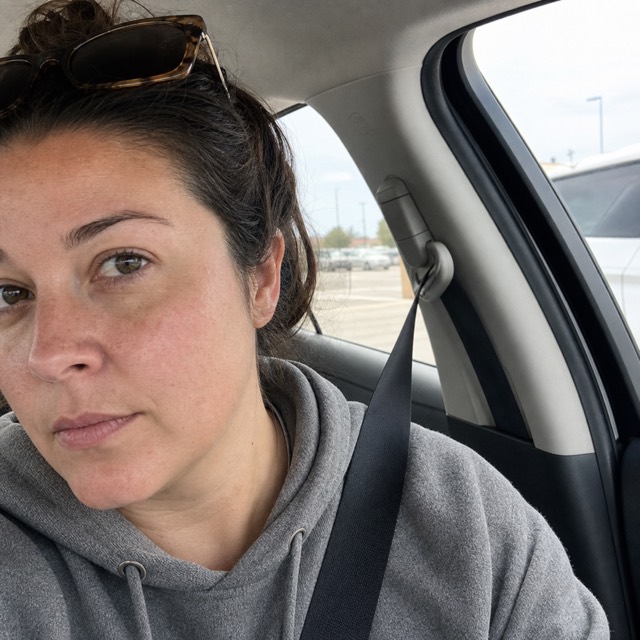
Is hair loss from GLP-1, rapid weight loss, or low protein?
Hair shedding is a high-anxiety GLP-1 social topic because users notice it months into the journey and often connect it to the medication immediately. Hair shedding can have multiple contributors: rapid weight change, low intake, protein gaps, stress, illness, hormones, medication changes, or unrelated dermatology issues. Track timeline and context before assuming a single cause. Unlike nausea, hair shedding may appear after the user already feels successful. That makes it emotionally disruptive: the scale is improving, but the body feels like it is paying a price. Social threads often ask whether collagen, biotin, protein, or stopping medication is the answer. What to track: - When shedding started and whether it is increasing - Weight-loss speed, appetite, protein, total intake, and dose changes - Stress, sleep, illness, cycle or menopause context, and recent labs if clinician-reviewed - Private scalp or hairline photos only if useful and not anxiety-provoking Community answer: - A high-quality reply should avoid declaring causality from one post. It should ask for timeline, weight velocity, intake, and other health context. - If the user is distressed, shedding is patchy, or symptoms are sudden, clinician or dermatology review matters. - BodyM should route this to appearance plus nutrition tracking, not just a supplement suggestion. Safety boundary: Discuss significant, sudden, patchy, or distressing hair loss with a clinician or dermatologist, especially with other symptoms. Next action: Build a hair-shedding timeline and compare it with weight velocity, protein consistency, and stress. Source context: - MedlinePlus: Hair loss - Instagram GLP-1 content analysis in women's health - The Obesity Society: Nutritional priorities for GLP-1 therapy
Muscle-loss risk check
Protect the progress you want to keep.
Use BodyM to connect appetite suppression with protein intake, strength habits, fatigue, hair shedding, and body-change signals.
Protein targetStrength habitBody photos
4 Comments
Join the discussion
Log in to comment, like, and save this thread.
Log inCreate account

Erin L.
Compounded tirzepatide